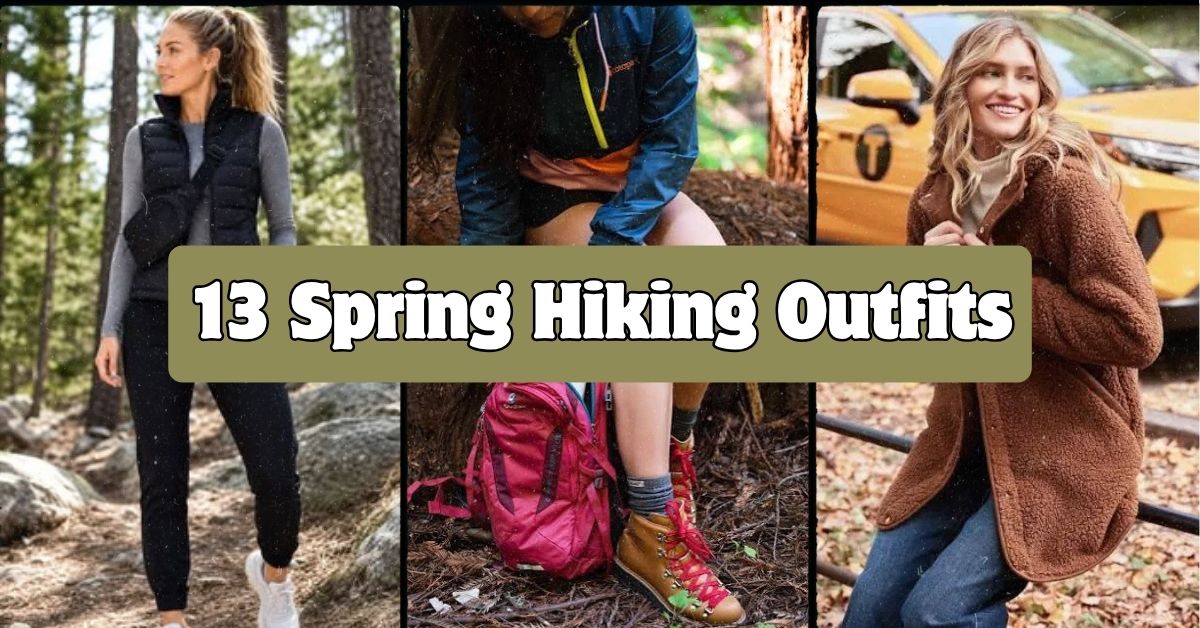
Ever layered up for a chilly trailhead morning only to be sweating buckets by 10am when the sun finally decides to show up? Spring hiking is tricky because the weather flips on you constantly, and I’ve spent way too many hikes either freezing or overheating before I figured out how to dress smart. This guide covers 13 spring hiking outfits that handle mud, wind, sudden rain, and surprise sunshine without making you carry a duffel bag full of backup clothes.
Spring hiking outfits should combine moisture-wicking base layers, a packable mid layer, and a wind or rain shell, paired with broken-in trail shoes and quick-dry pants that transition well between 40°F mornings and 65°F afternoons.
Stick around because I’m breaking down exactly what to wear piece by piece, plus a few tables that make picking fabrics and layers way less confusing.
Why Spring Hiking Outfits Are Different From Summer or Winter Gear
Spring is the trickiest season to dress for on a trail. You might start in fog and frost, then hit full sun by noon, then get rained on an hour later. That means your outfit needs flexibility built in, not just warmth or coolness. The trick is layering pieces you can add or remove without stopping to dig through a backpack every twenty minutes. You also need fabrics that handle mud, damp grass, and unpredictable puddles since spring trails are rarely bone dry. Think moisture control, quick layering, and footwear that won’t soak through. Once you get that formula down, you can mix and match almost anything in your closet and still stay comfortable mile after mile.
1. Merino Wool Base Layer With a Packable Puffer Vest
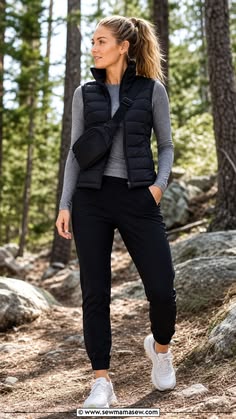
Start with a lightweight merino wool long sleeve as your base. It regulates temperature better than cotton and doesn’t hold onto sweat smell after hours on the trail. Over that, throw on a packable puffer vest that you can stuff into your pack once the sun climbs higher. Pair with stretch hiking pants in a neutral tone like olive or charcoal so mud stains don’t show as much. Finish with trail runners and a beanie you can pull off fast.
Styling tip: choose a vest with a chest pocket so you can grab your phone without taking off your pack.
This combo works great for cooler spring mornings in higher elevation trails and adapts easily if you’re petite or broad shouldered since the vest layers loosely over any frame.
Speaking of layering, let’s talk about what goes underneath when temps drop even further.
2. Thermal Leggings Under Convertible Hiking Pants
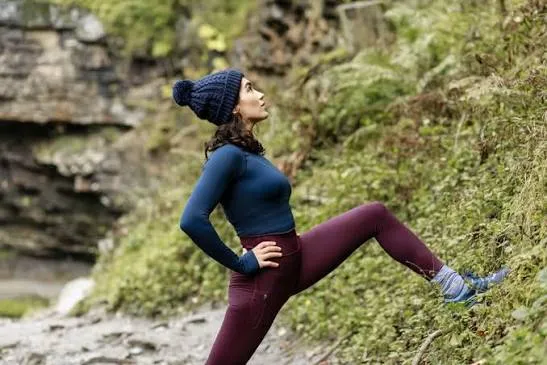
When the forecast says it’ll start at 38°F and end at 60°F, convertible pants are a lifesaver. Wear thin thermal leggings underneath for the cold start, then unzip the pant legs into shorts once you warm up. Top it with a fleece quarter zip and a thin rain shell tied around your waist. Choose earthy colors like rust or forest green so the leggings peeking out don’t clash if they show slightly below the shorts line.
Styling tip: test the zip-off mechanism before your hike so it doesn’t jam mid trail.
This setup is a favorite for taller hikers since convertible pants often run long, and it works just as well on breezy coastal trails as it does in the mountains.
Now let’s get into rain protection, because spring showers show up uninvited more often than not.
3. Waterproof Shell Jacket Over a Zip-Up Fleece

Spring rain sneaks up fast, so a waterproof shell jacket is non-negotiable for at least half your hikes. Layer it over a zip-up fleece in a mid-weight fabric, not too bulky, so you can still move your arms freely on rocky terrain. Go with a shell in a bright color like yellow or orange for visibility if you’re hiking in foggy conditions. Underneath, a simple moisture-wicking tee keeps sweat from soaking through both layers.
Styling tip: look for pit zips on the shell so you can vent heat without fully unzipping the jacket.
This layering trick works for any body type since the loose shell fit hides bulk, and it’s just as useful on windy ridgelines as it is in light drizzle.
Here’s a quick table comparing common spring hiking fabrics so you know what to grab for each layer.
Fabric Comparison for Spring Hiking Layers
| Fabric | Best Use | Dries Fast | Warmth Level |
|---|---|---|---|
| Merino Wool | Base layer | Moderate | Medium-High |
| Polyester Fleece | Mid layer | Fast | Medium |
| Nylon Shell | Outer layer | Fast | Low (wind/rain block) |
| Cotton | Avoid for hiking | Slow | Low |
| Softshell Blend | Mid-outer layer | Moderate | Medium |
4. Flannel Shirt Tied Over a Tank Top for Warmer Afternoons

Once spring really warms up, a flannel shirt tied around your waist or worn open over a breathable tank top gives you flexibility without extra weight. Pick a flannel in plaid patterns that mix reds, blues, or greens so it pairs with almost any pant color underneath. Stick with quick-dry hiking shorts or capris and trail sandals with good grip if the trail is dry and rocky rather than muddy.
Styling tip: choose a flannel with a slightly looser fit so it doubles as a light jacket if temps drop suddenly near sunset.
This outfit flatters most body shapes because the open flannel creates a vertical line, and it’s perfect for lower elevation spring hikes where snow has already melted.
Let’s shift gears now toward outfits built for wetter, muddier spring trail conditions.
5. Quick-Dry Joggers With Gaiters for Muddy Trails
Spring mud is no joke, especially after snowmelt. Quick-dry joggers made from a synthetic blend keep you comfortable while gaiters strapped over your boots and ankles keep debris and water out. Choose darker joggers, like slate gray or deep navy, so splashes don’t stand out. A moisture-wicking long sleeve and a light windbreaker round out the top half.
Styling tip: pick gaiters with a hook system instead of just velcro since velcro tends to collect mud and stop sticking properly.
This look works well for any hiker tackling trails with creek crossings or lingering snow patches, and it adjusts easily whether you’re hiking solo or with a group setting a faster pace.
Now, let’s talk footwear choices since that’s just as important as what’s on your torso.
6. Waterproof Hiking Boots With Wool Socks and Cargo Pants
Cargo pants get a bad reputation for looking bulky, but paired with slim-fit ankle cuffs, they work great for spring hikes with lots of gear needs like extra snacks or a first aid kit. Waterproof hiking boots keep your feet dry through puddles, and thick wool socks add cushioning plus warmth. Top it with a fitted long sleeve tee and a light zip-up hoodie for versatility.
Styling tip: roll the cargo pant cuffs once if they’re too long, this keeps them from dragging in mud without needing a tailor.
This combo suits hikers who need extra pocket storage and works across body types since cargo pants come in relaxed and slim cuts now.
Since footwear varies so much by trail type, here’s a table breaking down what to wear based on conditions.
Footwear Guide by Spring Trail Condition
| Trail Condition | Recommended Footwear | Sock Type |
|---|---|---|
| Dry, rocky | Trail runners | Thin synthetic |
| Muddy, wet | Waterproof boots | Thick wool |
| Snow patches | Insulated boots | Wool blend |
| Creek crossings | Amphibious shoes | Quick-dry synthetic |
| Mixed terrain | Hybrid hiking shoes | Cushioned wool blend |
7. Lightweight Rain Poncho Over Athletic Leggings
When you know rain is coming but don’t want the bulk of a full shell jacket, a lightweight rain poncho does the job. Wear it over athletic leggings and a moisture-wicking tank so you stay covered without overheating. Choose a poncho with a hood and side snaps so wind doesn’t turn it into a sail. Trail runners with good tread work fine here since ponchos are usually reserved for lighter spring showers, not deep mud.
Styling tip: get a poncho that packs into its own pouch so it clips easily onto your pack strap.
This outfit is great for shorter spring hikes or trail walks and works well if you run warm and hate the clammy feeling of rain jackets.
Rain gear naturally leads into wind protection, which spring hikes demand just as often.
8. Windbreaker Layered Over a Long-Sleeve Sun Shirt
Spring winds on exposed ridgelines can cut right through you even when it’s sunny. A thin windbreaker layered over a long-sleeve sun shirt with UPF protection covers both wind and sun exposure. Go with lighter colors like tan or pale blue for the sun shirt since dark colors absorb more heat. Pair with hiking pants that have a slight stretch for scrambling over rocks.
Styling tip: pick a windbreaker with an elastic hem so it doesn’t flap around and catch on branches.
This works well for exposed alpine trails and suits hikers of any age or fitness level since it’s mainly about wind blocking, not bulk.
Let’s move into outfits built around cooler evening hikes, which spring often brings unexpectedly.
9. Insulated Vest With Joggers for Evening Trail Walks
Spring evenings drop temperature fast once the sun sets behind the ridgeline. An insulated vest, either down or synthetic fill, paired with fleece-lined joggers keeps your core and legs warm without the bulk of a full jacket. Add a beanie and light gloves since extremities cool down first. A simple long-sleeve base layer underneath rounds things out.
Styling tip: choose synthetic fill over down if there’s any rain chance, since synthetic insulation still works when slightly damp.
This setup adapts well for shorter evening loops or sunset hikes and suits colder climates better than warmer ones where evening temps stay mild.
Here’s a budget breakdown table so you can plan your outfit costs based on what you’re willing to spend.
Budget Tiers for a Full Spring Hiking Outfit
| Budget Tier | Price Range | What You Get |
|---|---|---|
| Budget | $60-$120 | Basic synthetic layers, budget trail shoes |
| Mid-Range | $150-$300 | Merino base layers, waterproof mid-tier boots |
| Premium | $350-$600+ | Technical fabrics, GORE-TEX shells, premium boots |
10. Sherpa-Lined Jacket With Straight-Leg Hiking Pants
Sherpa-lined jackets aren’t just for city wear, they work great for chilly spring trail mornings too. Pair with straight-leg hiking pants in a water-resistant fabric so you’re covered if you brush against wet plants. A simple crewneck sweatshirt underneath adds extra warmth without needing multiple thin layers. Finish with mid-height boots for ankle support on uneven terrain.
Styling tip: look for a sherpa jacket with a wind-resistant shell layer built in, since sherpa alone doesn’t block wind well.
This outfit suits hikers who prefer fewer, thicker layers over multiple thin ones, and it works well for casual, low-intensity trail walks rather than steep climbs.
Next, let’s talk about outfits designed specifically for hikers dealing with allergies or high pollen counts, since spring brings that headache too.
11. Long-Sleeve Sun Hoodie With a Buff and Sunglasses
Spring pollen can wreck a hike if you’re not prepared. A long-sleeve sun hoodie with a built-in face covering or paired with a separate buff keeps pollen off your skin and out of your nose and mouth somewhat. Sunglasses protect your eyes from both sun glare and airborne allergens. Pair with breathable hiking pants and trail shoes with mesh venting.
Styling tip: wash your buff after every hike since pollen builds up fast in the fabric and can trigger symptoms later even indoors.
This look works for allergy-prone hikers of any fitness level and adapts well from spring straight into early summer trails.
Now let’s cover a versatile option for hikers who deal with sudden temperature swings on longer treks.
12. Zip-Off Convertible Jacket With Moisture-Wicking Base Layer
A zip-off convertible jacket that turns into a vest gives you flexibility on longer spring hikes where temperature swings happen more than once. Wear it over a moisture-wicking base layer and pair with lightweight hiking pants that have a drawstring waist for comfort during long stretches. This setup avoids the need to carry a separate vest and jacket since it’s one piece doing double duty.
Styling tip: practice removing the sleeves while walking slowly so you don’t have to stop completely and lose momentum on the trail.
This works especially well for multi-hour hikes and suits hikers who prefer minimal gear switching, and it adjusts nicely for both spring and early fall conditions.
Finally, let’s finish with an outfit built for hikers who want function without sacrificing personal style.
13. Utility Jacket With Cropped Hiking Pants and Ankle Boots
If you want your trail outfit to look put together even off the mountain, a utility jacket with multiple pockets paired with cropped hiking pants and sturdy ankle boots does the trick. Choose a jacket in a solid neutral shade so it pairs easily with any pant color, and add a canvas belt bag instead of a bulky backpack if your hike is shorter. This outfit works great for scenic trails near towns where you might stop for coffee after.
Styling tip: cuff the cropped pants slightly higher to show off the ankle boots and avoid a boxy silhouette.
This look suits casual day hikers and works across body types since the utility jacket’s structured shape balances out both curvier and straighter frames.
Tips for Success
- Always check the elevation forecast separately from your town’s forecast, since mountain trails can be 15-20 degrees colder.
- Break in new hiking shoes on short walks before committing to a long spring trail.
- Pack an extra pair of socks in a ziplock bag in case of unexpected creek crossings.
- Choose synthetic fabrics over cotton for anything touching your skin directly.
- Bring a small dry bag for your phone and wallet since spring weather flips fast.
- Test your rain gear at home under a shower before relying on it during a storm.
- Keep a spare hair tie or buff clipped to your pack strap for quick heat regulation.
Common Mistakes and How to Avoid Them
Wearing all cotton clothing
: Switch to moisture-wicking synthetic or merino wool so sweat and rain don’t leave you cold and damp for hours.
Skipping layers because it’s sunny at the start
: Pack at least one extra layer even on clear mornings since spring temps swing fast once you gain elevation.
Choosing brand-new boots for a big hike
: Break shoes in with shorter walks over a week or two before a long spring trek.
Ignoring wind chill on exposed trails
: Add a windbreaker even if temps seem mild, since wind on ridgelines drops the felt temperature significantly.
Overpacking bulky jackets instead of packable layers
: Choose compressible puffers or thin fleece so your pack stays light and you’re not sacrificing space for water and snacks.
Similar Variations
- Alpine Trekking Style — focuses on colder, higher elevation gear with heavier insulation and crampons for lingering snow.
- Trail Running Chic — a leaner, faster-paced outfit style built around minimal gear and stretch fabrics.
- Coastal Hiking Look — lighter layers suited for salty air and sandy trails near beaches and cliffs.
- Desert Spring Hiking — emphasizes sun protection fabrics and wide-brim hats over insulation layers.
- Backpacking Trail Style — built around multi-day gear with heavier packs and more durable, abrasion-resistant fabrics.
Getting dressed for spring trails doesn’t have to mean guessing every single time you check the weather app. Once you understand how layers work together and which fabrics actually hold up against mud, wind, and sudden rain, putting together an outfit becomes second nature. Whether you’re chasing wildflowers on a low elevation trail or pushing through a windy ridge hike, these 13 spring hiking outfits give you a real starting point that actually works when the weather can’t decide what it wants to do.
Leave a Reply